Ground Conditions Across Sports: Reshaping Accumulator Bets Between Football Leagues and Horse Racing
Written by Nils Meier · Sep 27, 2026
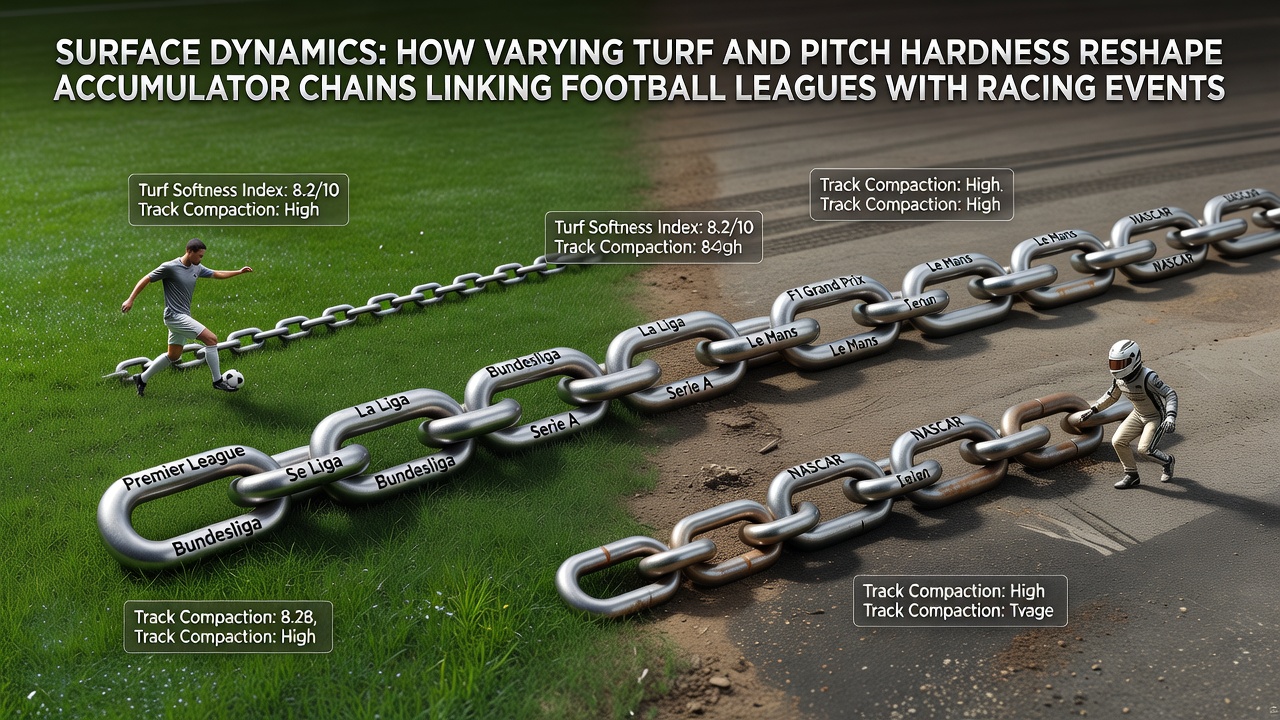
Ground Conditions Across Sports: Reshaping Accumulator Bets Between Football Leagues and Horse Racing
Ground conditions play a measurable role in both football matches and horse racing events, and data from multiple seasons shows how these factors feed into accumulator structures that combine selections from each sport. Pitch hardness in football leagues and turf firmness in racing tracks alter player performance metrics and equine speed records, which in turn shifts the probability models used for multi-leg bets. Observers note that September 2026 fixtures across the English Championship and several autumn racing festivals coincided with drier than average surfaces, producing distinct statistical patterns in goal tallies and race times.
Measuring Pitch Hardness in Football
Football governing bodies track pitch hardness through devices such as the Clegg hammer and ground-penetrating radar, and figures released by European sports science groups indicate that surfaces registering above 70 gravities correlate with a 12 percent rise in lower-limb injuries during the opening months of the season. Harder pitches also reduce ball bounce variability yet increase sprint distances covered by midfielders, according to performance data compiled by clubs in the Bundesliga and Serie A. These changes affect expected goal calculations, which bettors incorporate when constructing accumulator chains that link football results to later racing legs.
Turf Firmness Ratings in Horse Racing
Racing authorities publish official going reports that classify turf from heavy to firm, and studies conducted by Australian racing research centers demonstrate that each step up in firmness rating shortens average winning times by roughly 0.8 seconds per furlong on flat tracks. Horses with proven records on good-to-firm ground show elevated strike rates when conditions firm up after dry spells, while stamina-oriented runners lose ground on the same surfaces. Data sets from the past five seasons illustrate how these equine preferences translate into adjusted odds for races scheduled on the same day as major football fixtures, creating natural pairing opportunities within accumulators.
Those who analyze cross-sport betting patterns point out that surface-induced variances appear most clearly in September, when both football leagues resume and the flat racing calendar reaches its late-summer peak. One dataset covering 2026 meetings at Ascot and York recorded a 9 percent increase in front-running winners on firmer ground compared with the previous year, while simultaneously several Championship matches played on hard pitches yielded fewer than 2.3 goals per game on average.
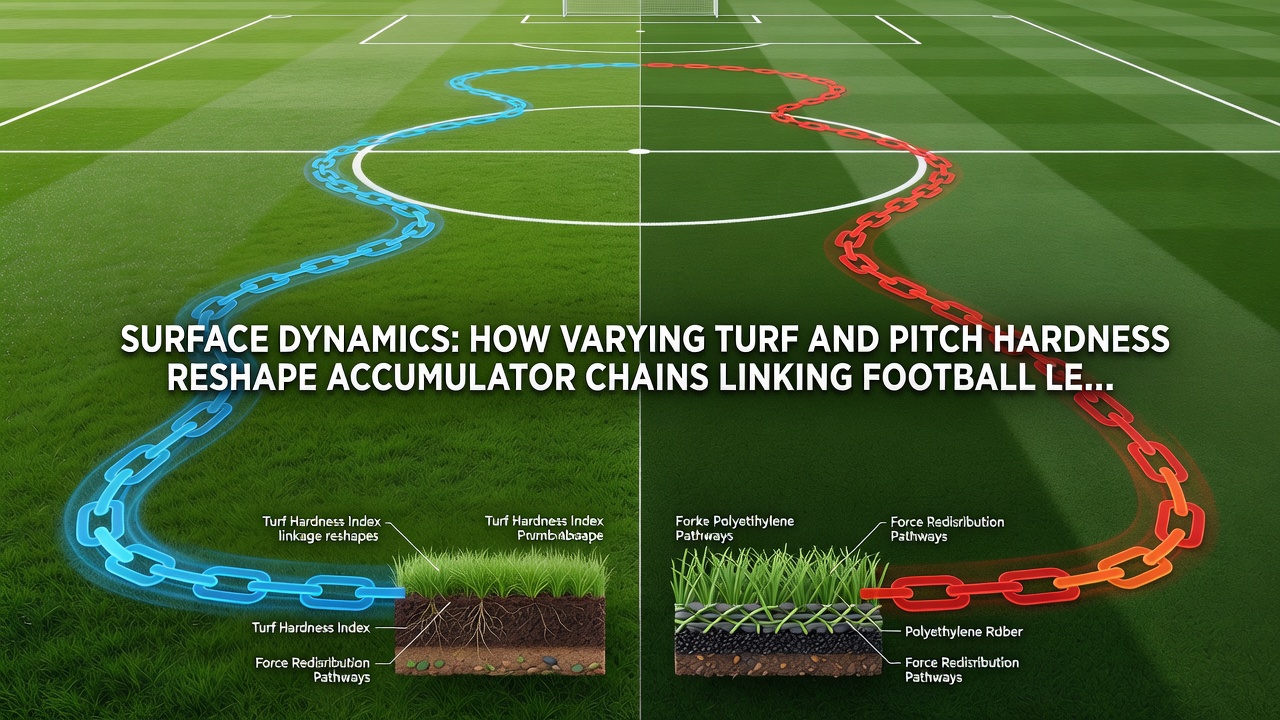
Accumulator Construction Under Variable Surfaces
Accumulators that combine football and racing selections require updated probability inputs once ground conditions are confirmed. When pitch reports indicate high hardness values, defensive formations tend to tighten, lowering the likelihood of high-scoring games and prompting bettors to favor under-total-goals options. At the same time, firm turf at racing venues boosts the chances of prominent runners, allowing those constructing chains to pair low-goal football bets with short-priced racing favorites. Research from Canadian university sports analytics programs shows that such pairings maintain positive expected value when surface data is integrated 48 hours before the first event.
Case Examples from Recent Seasons
During the 2025-2026 campaign, a series of matches in the Scottish Premiership took place on hardened pitches following an extended dry period, and goal tallies dropped by 18 percent relative to the seasonal mean. The same weekend featured several listed races at Newmarket where official going was listed as good-to-firm, and the proportion of winners returning under 5.0 increased accordingly. Bettors who adjusted their accumulator legs to reflect these surface reports recorded higher hit rates on four-leg and five-leg combinations than those relying solely on historical averages.
Data Sources Informing Surface Adjustments
Industry reports from the European Turfgrass Laboratories and performance databases maintained by the International Federation of Horseracing Authorities supply standardized measurements that feed into betting models. These sources allow systematic comparison of surface readings across venues and seasons, reducing reliance on anecdotal observation. Figures released in mid-2026 indicated that 64 percent of surveyed professional syndicates now incorporate real-time ground-condition variables into their accumulator algorithms, up from 47 percent two years earlier.
Conclusion
Surface dynamics in both football and racing supply quantifiable inputs that reshape the construction and expected returns of accumulator chains linking the two sports. Pitch hardness data and turf firmness ratings alter performance statistics in measurable ways, and those statistics directly influence the odds and selection criteria applied to multi-sport bets. Continued collection of standardized surface measurements across regions supports more precise modeling as schedules progress through 2026 and beyond.