Premier League Clubs Adjust to Potential Restrictions on Unlicensed Gambling Sponsorships
Written by Nils Meier · Sep 13, 2026

Premier League Clubs Adjust to Potential Restrictions on Unlicensed Gambling Sponsorships
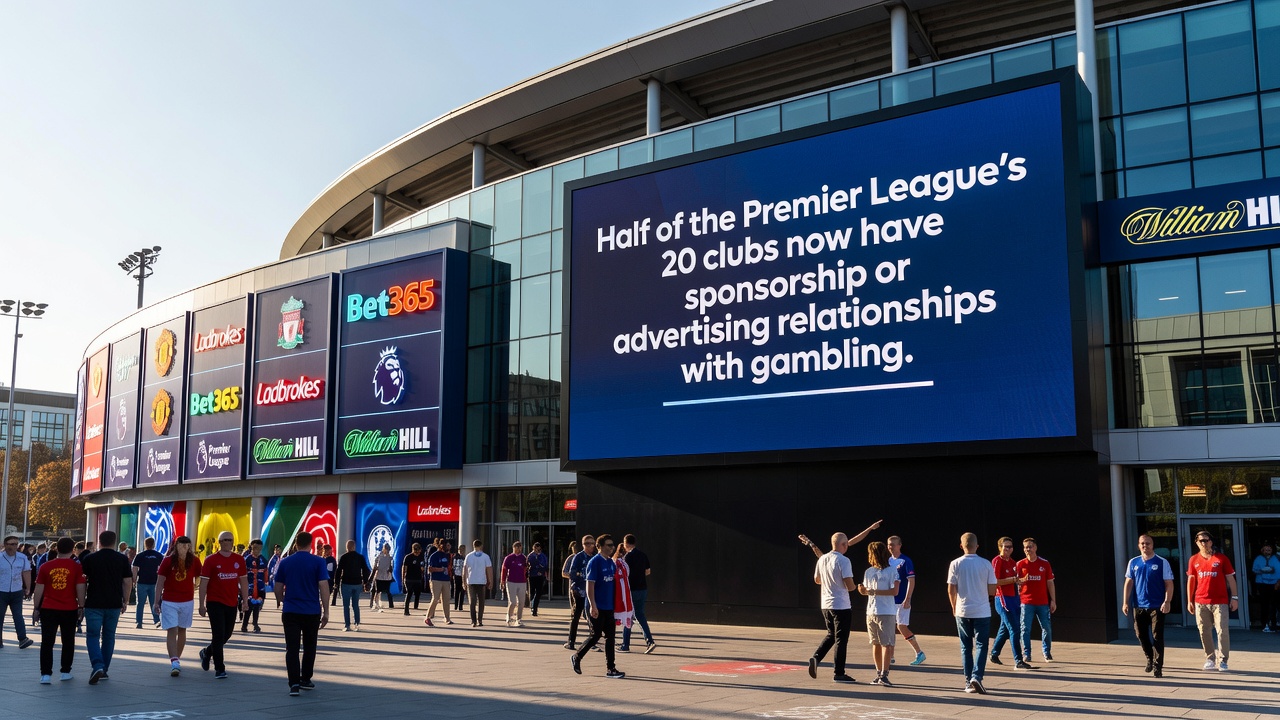
Ten of the Premier League’s twenty clubs currently maintain sponsorship or advertising relationships with gambling companies not licensed in the UK, a figure that rose from six earlier in the summer according to industry reports, and this development places club revenue streams in line for review once a proposed government ban takes effect next year.
Expansion of Unlicensed Partnerships
Clubs have expanded these arrangements over recent months while the unregulated betting market in Britain continues to grow, and observers note that the shift exposes teams to financial adjustments if restrictions limit future deals with operators outside UK licensing frameworks. Data from September 2026 shows the increase occurred amid broader discussions on market oversight, and those who track sponsorship trends point to the ten clubs now holding such relationships as a notable change from prior seasons.
Government Consultation Process
An eight-week government consultation on prohibiting sponsorships by unlicensed gambling firms closed during the week of September 11 2026, and this review gathered input from various stakeholders including clubs, operators, and regulatory bodies. The consultation examined rules that would bar deals with firms lacking UK licenses, and figures released around the closing date indicate active participation from both licensed and unlicensed sectors. Licensed operators such as Ladbrokes and William Hill have participated in related discussions, and these firms have highlighted potential revenue implications for the league if the ban proceeds as expected.
Stakeholder Tensions and Market Context
Tensions have surfaced between licensed operators and Premier League representatives over anticipated income reductions, while the unregulated betting market expands in parallel and draws attention from policymakers. Reports link the consultation outcome to upcoming legislative steps scheduled for 2027, and data on sponsorship volumes shows clubs relying on these partnerships for portions of their commercial revenue. One study of league finances revealed that advertising relationships with gambling entities form a measurable segment of overall income, and this segment now faces scrutiny under the proposed framework.
Clubs that entered agreements over the summer did so against a backdrop of rising activity in unlicensed betting channels, and analysts have tracked corresponding adjustments in how teams structure their commercial portfolios. The move toward restrictions aligns with efforts to align sponsorships with licensed entities only, and evidence from the consultation period suggests ongoing negotiations between the league and government departments.
Revenue Exposure and Future Outlook
Revenue exposure for the ten affected clubs stems directly from the upcoming ban, and league officials have referenced the need to identify replacement partners within the licensed sector. According to the source material on this development, the consultation addressed both sponsorship and advertising placements, and responses submitted before the deadline covered operational impacts on clubs of varying sizes. Those who monitor regulatory changes note that the shift from six to ten clubs with unlicensed ties occurred rapidly, and this pace has prompted reviews of contract terms ahead of the expected 2027 implementation.
Broader growth in Britain’s unregulated betting market provides context for the consultation, and statistics compiled during 2026 show increased participation in offshore platforms. Licensed operators have emphasized their compliance status during discussions, and this distinction forms a central element of the debate surrounding the proposed prohibition. The eight-week period allowed for structured feedback, and the resulting proposals are set to influence how clubs manage gambling-related partnerships moving forward.
Conclusion
The situation surrounding Premier League sponsorships with unlicensed gambling companies centers on the recent rise to ten affected clubs, teh closed consultation, and the planned ban next year, with all elements tied to the documented expansion of the unregulated market. Data continues to track these relationships, and stakeholders await the formal outcomes from the September 2026 review process.