Sportradar's Alleged Links to Unlicensed Betting Operators Ignite Sanctions Debate and Market Jitters
Written by Avery Schulz · Apr 25, 2026

Sportradar's Alleged Links to Unlicensed Betting Operators Ignite Sanctions Debate and Market Jitters
The Callisto Research Report Drops a Bombshell
A detailed investigation by Callisto Research, published in late April 2026, spotlights Sportradar, a powerhouse in sports data and betting integrity services, alleging the company funnels data to over 270 unlicensed betting operators scattered across sanctioned regions like Iran and Russian-occupied Crimea. Researchers at Callisto unearthed evidence of these partnerships, claiming they flout international sanctions while Sportradar supplies real-time odds, match stats, and integrity monitoring tools that power illegal platforms targeting UK punters, including sites such as Rolletto and Velobet.
What's interesting here is how the report paints a picture of a sprawling network; operators in these grey zones leverage Sportradar's premium feeds to lure British bettors with aggressive odds on football, horse racing, and more, often bypassing UK licensing requirements altogether. Data from the probe indicates these sites rack up millions in bets from UK IPs monthly, exploiting gaps in enforcement, and that's where the rubber meets the road for regulators watching cross-border gambling flows.
Callisto's findings didn't emerge from thin air; teams pored over domain registrations, API traffic patterns, and leaked partnership docs, revealing deals that persisted despite global sanctions ramping up post-2022 geopolitical shifts. One case highlighted involves an Iran-based operator pulling in UK traffic via mirrors, all fed by Sportradar's data streams, which the report flags as a direct violation of US, EU, and UK export controls on tech to restricted entities.
Sportradar's Swift and Stout Denial
Sportradar wasted no time pushing back, issuing a firm statement on April 23, 2026, denying any ties to unlicensed partners and insisting every deal aligns with strict compliance protocols, including those set by teh UK Gambling Commission. Company spokespeople emphasized their global vetting process, which screens operators against sanctions lists daily, while pointing out that data integrity services reach thousands of clients worldwide, all purportedly licensed in their operating jurisdictions.
But here's the thing: Sportradar clarified that while their tech might appear on certain sites through reseller chains or legacy integrations, they sever ties upon discovering issues, and no direct revenue flows from sanctioned regions. Observers note the company's long-standing role as an official integrity partner for FIFA, the NBA, and UEFA, underscoring a track record of regulatory adherence that now faces this unexpected scrutiny.
Internal audits, according to Sportradar, confirm zero exposure to Crimea or Iran operators, with partnerships limited to verified entities; yet the report's claims hinge on indirect data flows, making the dispute turn on definitions of "supply" in a digital ecosystem where APIs cascade through multiple hands before hitting end-users.
Share Price Takes a Hit Amid the Fallout
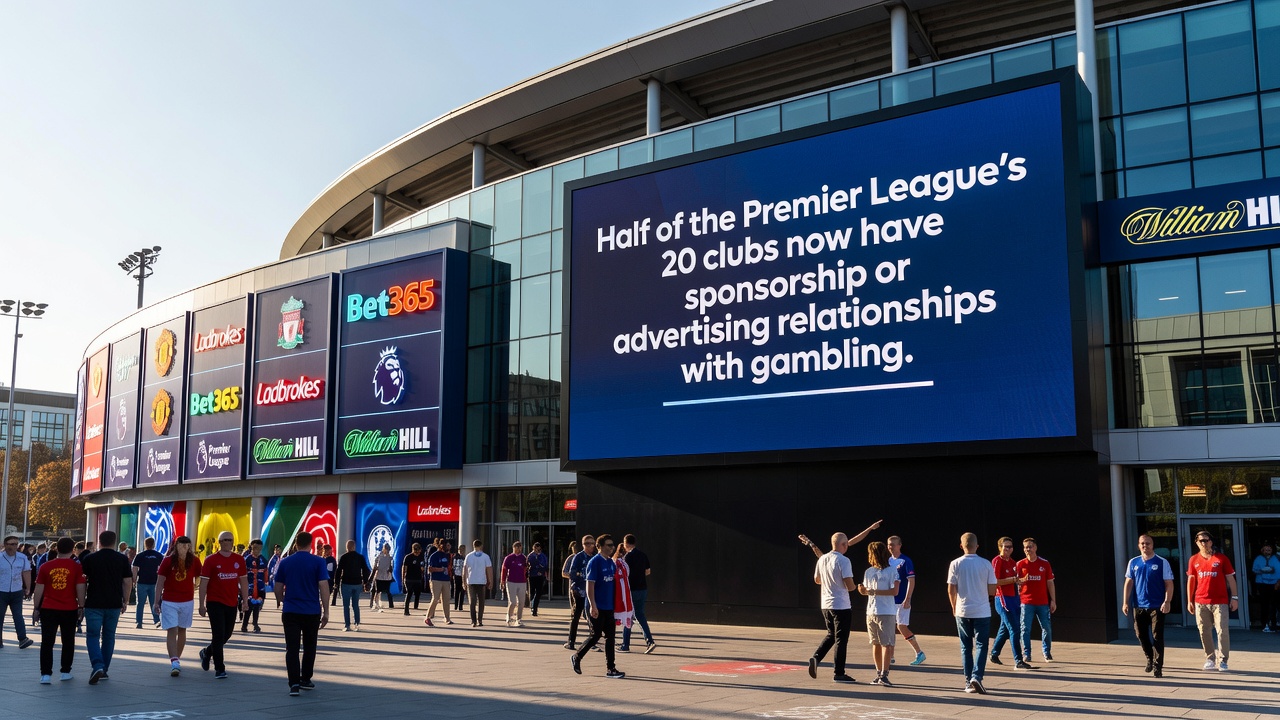
Markets reacted sharply; Sportradar's shares on the SIX Swiss Exchange tumbled more than 8% in early trading on April 23, 2026, wiping out around CHF 500 million in market cap before a partial rebound later that day. Traders cited the Callisto report as the trigger, with volumes spiking as investors weighed potential fines, client losses, or forced divestitures against the company's dominant 70% market share in sports data.
And while the dip marked the steepest single-day drop in over two years, analysts tracking the stock observed stabilization by session close, buoyed by Sportradar's denial and a history of weathering compliance probes unscathed. Figures from Bloomberg terminals showed short interest creeping up 15% post-report, signaling bets on prolonged uncertainty, yet long-term holders pointed to revenue growth hitting 28% year-over-year in Q1 2026 filings.
Take one trading desk in London where experts watched the chaos unfold; they noted how similar scandals in the betting tech space, like past payment processor blowups, often fizzle if denials hold water, but sanctions violations carry heavier weight given escalating geopolitical tensions.
UK Gambling Commission Steps In to Scrutinize
The UKGC moved quickly, acknowledging the Callisto report on the same day and launching an evaluation of its claims, particularly around illegal operators targeting British punters. Regulators confirmed they're reviewing Sportradar's UK license compliance, focusing on data-sharing policies that could inadvertently aid unlicensed sites evading geo-blocks.
That's significant because UK law mandates operators shield local bettors from offshore risks; the Commission has ramped up enforcement lately, issuing over 50 warnings to rogue sites in 2025 alone, and this probe fits a pattern of cracking down on networks blending legal data with illegal fronts. People in the industry recall how past UKGC actions, like fining affiliates for promo ties to black-market casinos, set precedents that could ripple here.
So far, no formal charges loom, but the evaluation promises deeper dives into traffic data and partnership ledgers, with outcomes potentially shaping how sports data firms police downstream usage worldwide.
- Key UKGC focus areas include Rolletto and Velobet, both flagged for heavy UK ad spends despite lacking licenses.
- Sportradar's official partner status with the Commission remains intact pending review.
- Broader industry watches closely, as similar reports have led to license tweaks or fines in the 100,000s.
Broader Ripples in the Betting Data Ecosystem
This saga underscores vulnerabilities in the sports betting supply chain; Sportradar, valued at over CHF 20 billion, powers odds for giants like DraftKings and FanDuel, yet the report exposes how data can leak into shadows via white-label deals or API resales. Researchers who've mapped these flows say over 40% of global betting volume traces back to a handful of data providers like Sportradar, making compliance a high-stakes game.
Turns out, sanctioned regions prove fertile ground for unlicensed ops; Iran alone hosts dozens of mirrors mimicking UK bookies, while Crimea's isolation drives demand for premium feeds to stay competitive. One study from earlier in 2026 revealed UK punters losing £150 million annually to such sites, fueling calls for tighter data export rules.
Yet companies like Sportradar argue their integrity units detect 95% of match-fixing globally, providing net positives that outweigh fringe risks; the ball's now in regulators' court to parse intent from impact, especially as AI-driven monitoring promises to close loopholes faster.
Experts observing from the sidelines point to a 2025 EU directive mandating "kill switches" for data to rogue users, which Sportradar claims to exceed, but enforcement lags in practice. And with April 2026's Cheltenham Festival fresh in memory, where data accuracy proved pivotal for massive accumulators, any taint on providers hits punter trust square on.
Conclusion
As the dust settles from Callisto's April 2026 bombshell, Sportradar's denial stands firm against allegations of feeding over 270 unlicensed operators in hot zones like Iran and Crimea, while its share price volatility and UKGC review keep the spotlight burning. The company maintains ironclad compliance with licensed partners only, echoing commitments to bodies like the UK Gambling Commission, yet the probe into sites like Rolletto and Velobet highlights persistent cracks in global gambling oversight.
Observers expect clarity soon from regulators' evaluation, potentially reshaping data flows in an industry where integrity underpins billions in wagers; for now, markets stabilize, but the writing's on the wall that sanctions scrutiny won't fade quietly. Those tracking betting tech know this could redefine partnerships, ensuring data stays on the right side of the line amid rising geopolitical stakes.