Weather's Influence on Shifting Ground Conditions in Football and Horse Racing
Written by Vera Schmitt · Jul 13, 2026
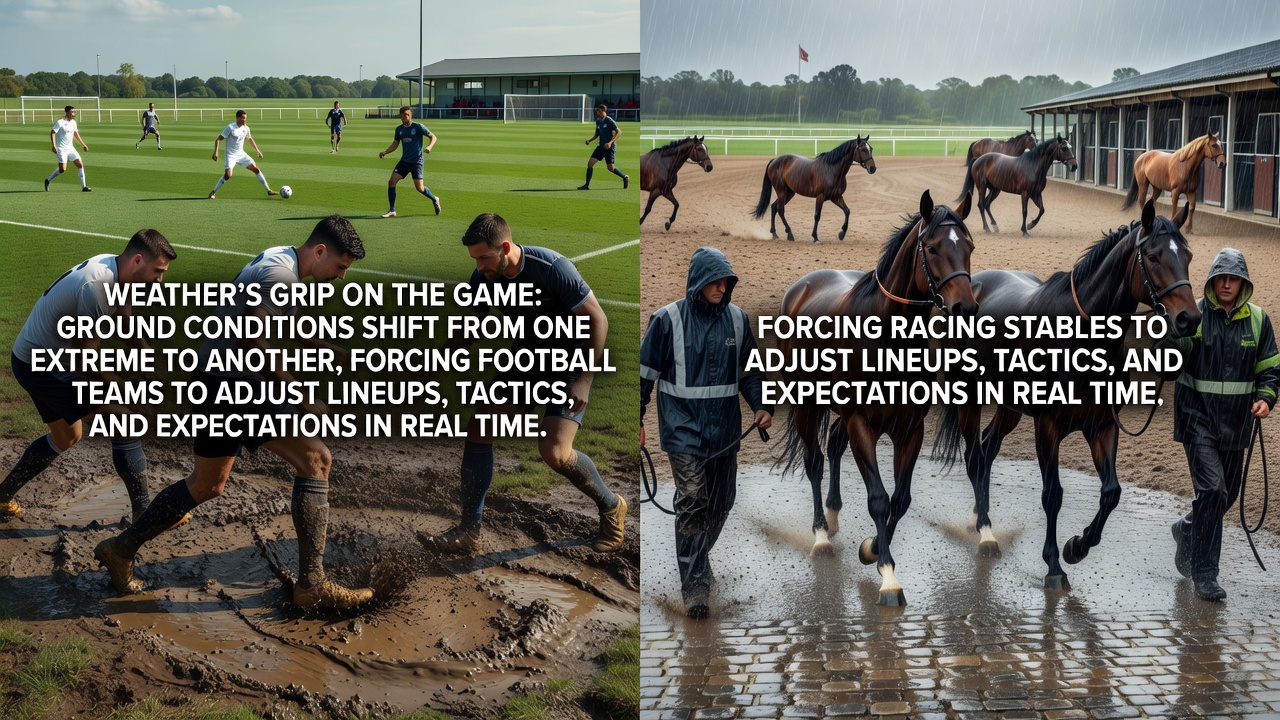
Weather's Influence on Shifting Ground Conditions in Football and Horse Racing
Weather patterns dictate ground conditions across football pitches and horse racing tracks, prompting immediate changes in team selections, race strategies, and performance expectations. Sudden shifts from dry to saturated surfaces or frozen to thawed states alter ball behavior, horse traction, and overall match or race dynamics in measurable ways. Data from meteorological records paired with sports outcomes shows these adjustments occur regularly in regions where seasonal transitions bring variable precipitation and temperature swings.
Ground Condition Changes in Football Matches
Football teams face direct consequences when rainfall saturates pitches or prolonged dry spells harden surfaces, since both extremes modify player movement and ball roll. Research from sports science departments at universities like Loughborough indicates that waterlogged fields slow ball speed by up to 30 percent while increasing injury risks from slips, leading coaches to favor players with stronger physical profiles over those relying on speed. In contrast, firm grounds accelerate passes and favor technically skilled squads that maintain possession through quick transitions.
July 2026 brought notable examples across European leagues where unseasonal storms turned scheduled fixtures into tests of adaptability, with managers swapping out attacking midfielders for defensive anchors to cope with heavier conditions. Observers note that such decisions reflect patterns documented in match reports from multiple seasons, where teams with deeper squads maintain higher win rates under variable weather.
Impacts on Horse Racing Tracks and Race Outcomes
Horse racing stables encounter parallel challenges as track surfaces transition between firm, good, and heavy states under changing weather, directly affecting stride length, stamina demands, and finishing times. Records maintained by racing authorities demonstrate that heavy ground after sustained rain extends race durations by several seconds per furlong, prompting trainers to scratch speed-oriented horses in favor of those with proven mud-running ability. Conversely, firm tracks reward lighter-framed animals capable of quick acceleration without excessive fatigue.
One study tracking Australian turf races over five years found that jockeys alter riding tactics on softening ground by holding horses wider to avoid churned paths, a practice that reduces collision risks yet demands precise timing adjustments. Stables in the UK and Ireland apply similar logic during summer months when occasional downpours create patchy conditions, requiring real-time assessments before final declarations.
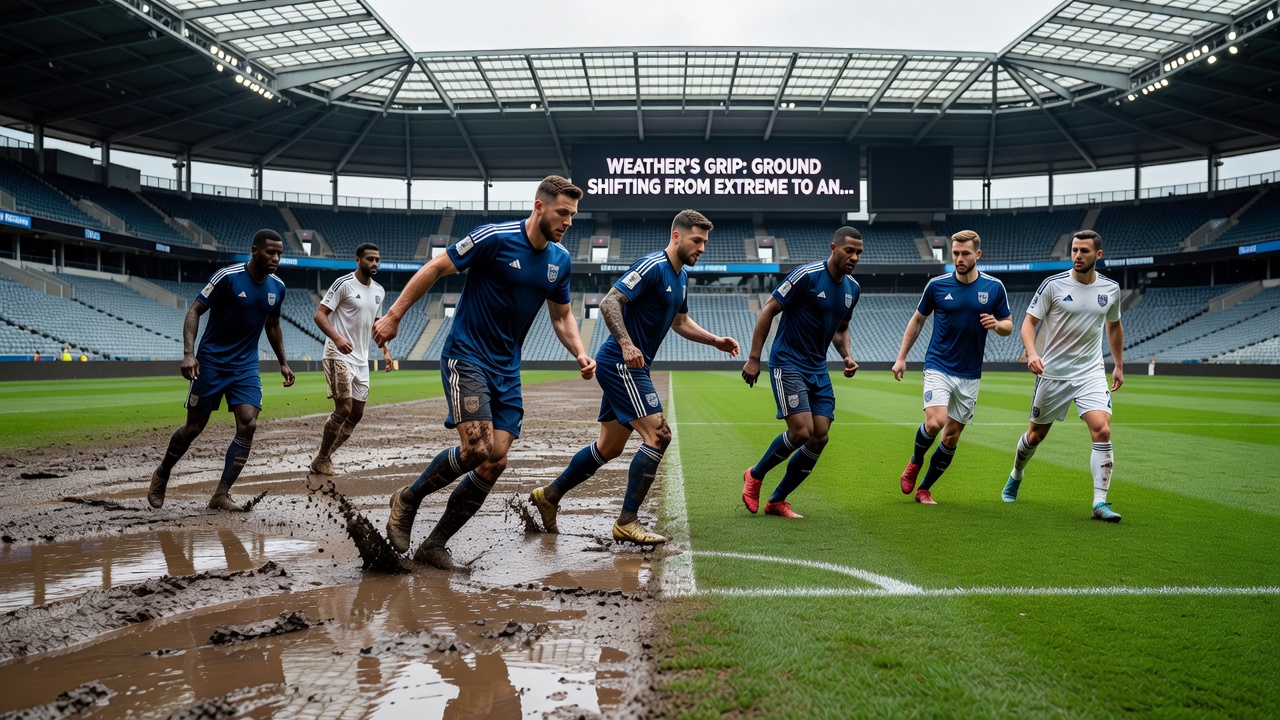
Real-Time Adjustments by Teams and Stables
Coaches and trainers monitor forecasts closely because ground updates issued hours before events force lineup revisions and tactical shifts, with data from weather services integrated into pre-match briefings. Football squads often bench high-maintenance players when surfaces turn slick, while racing connections consult going reports to decide between running or withdrawing entries. These responses align with findings from industry analyses that link preparation time to performance consistency across variable conditions.
Take one Premier League side that switched to a compact 4-5-1 formation during a wet spell in early 2026, preserving energy for counterattacks on a saturated pitch. Racing yards apply comparable logic by favoring stayers over sprinters when rain arrives mid-meeting, since the ball's in their court once the official going is declared. What's interesting is how both sports rely on the same underlying principle: surface grip determines energy expenditure and optimal pacing.
Broader Patterns Across Seasons and Regions
Climate data compiled by the Australian Bureau of Meteorology reveals recurring cycles where El Niño phases produce drier tracks that benefit certain racing bloodlines, while La Niña events increase rainfall frequency and shift football schedules toward more physical contests. European fixtures show parallel trends, with winter months producing more postponements or surface-related substitutions than summer calendars. Figures from sports governing bodies indicate that venues with advanced drainage systems experience fewer extreme disruptions, allowing teams to retain preferred lineups more often.
Yet patterns extend beyond immediate events, since repeated exposure to wet or hard grounds influences long-term training regimens and horse conditioning programs. Trainers in North America, for instance, incorporate specialized gallops on synthetic surfaces to prepare for potential carryover from natural turf changes, a strategy backed by performance metrics gathered over multiple seasons.
Conclusion
Ground conditions shaped by weather continue to drive tactical and selection decisions in football and horse racing, with measurable effects on outcomes documented through performance records and meteorological correlations. Teams and stables that integrate real-time surface data into their planning maintain competitive edges when extremes arrive, as evidenced by consistent patterns across leagues and race meetings worldwide. These interactions highlight the ongoing role of environmental factors in shaping competitive sports.