UK Gambling Volumes and Spending Surge 7-9% in January 2026, Raising Early Harm Flags Before Major Sports Events
UK Gambling Volumes and Spending Surge 7-9% in January 2026, Raising Early Harm Flags Before Major Sports Events

The Numbers Behind January's Gambling Boom
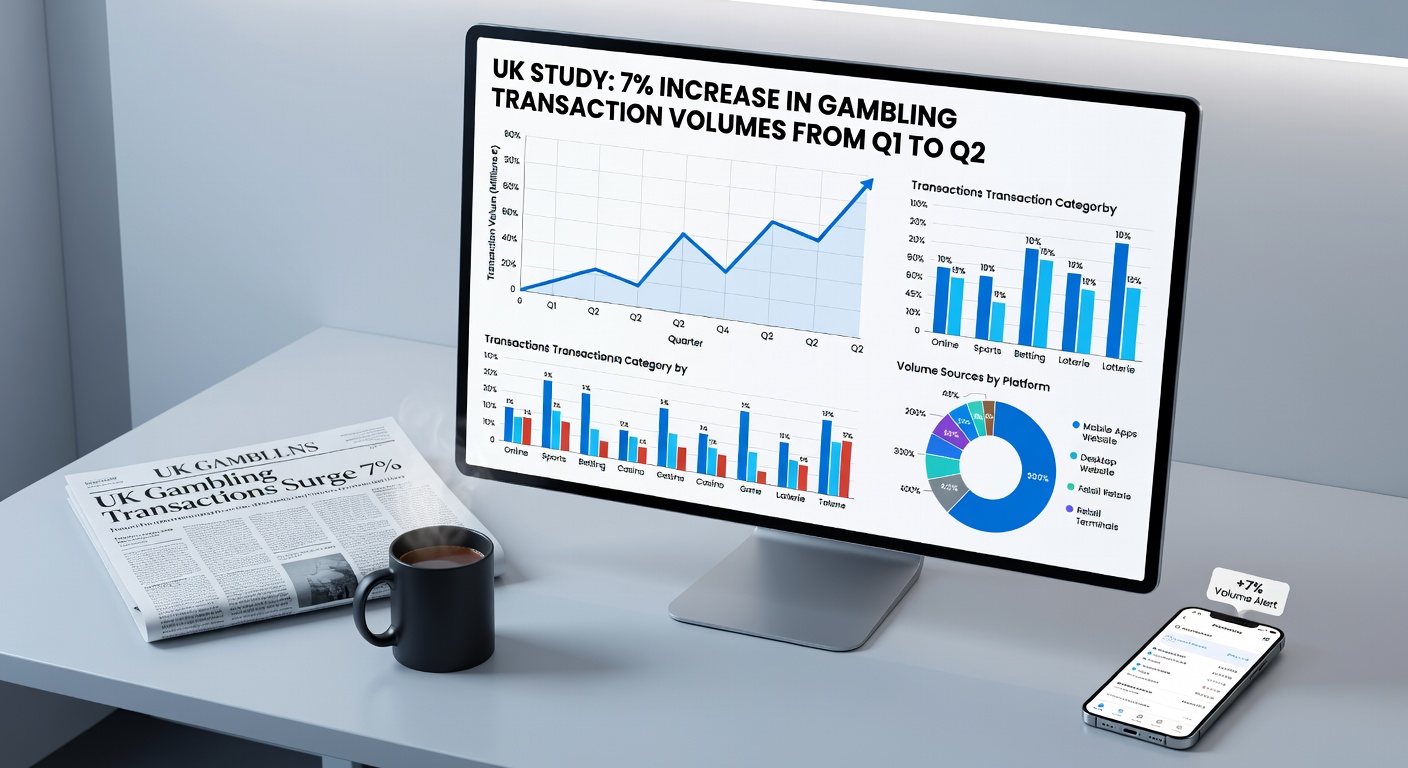
A recent UK study spotlighted a clear uptick in gambling activity during January 2026, where transaction volumes climbed 7% from 9.98 million the previous year to 10.70 million, while spending jumped 9% from £205.3 million to £224.6 million; this growth unfolded against a backdrop of building excitement for the year's packed sports calendar, including the FIFA World Cup and Champions League fixtures that promise to draw massive global attention.
Experts tracking these trends note how such surges often align with seasonal hype, yet the specifics here stand out because January typically marks a quieter period post-holiday slowdowns; data indicates bettors ramped up engagement early, pushing volumes past 10 million for the first time in recent Januaries, and observers point to online platforms capturing the bulk of this increase since they offer round-the-clock access to markets on emerging events.
What's interesting is the spending figure's sharper rise compared to transactions, suggesting average stakes grew alongside volume; researchers who analyzed operator reports found this pattern hints at bettors wagering larger amounts per bet, perhaps fueled by optimistic previews of 2026 tournaments where underdogs could shine or favorites falter in unexpected ways.
Gambler Intentions Revealed in Fresh Survey
Alongside the hard transaction data, a survey of 2,000 UK gamblers uncovered that 68% intend to bet more throughout 2026, a figure that underscores widespread anticipation for the sports slate ahead; those polled cited major events like the FIFA World Cup and Champions League as key drivers, with many planning to dive into futures markets or live in-play options that keep action flowing non-stop.
People who've followed gambling surveys over the years often discover these intention rates translate into real behavior during event-heavy periods, and here the 68% mark feels notable because it exceeds typical yearly projections by a wide margin; turns out, respondents highlighted team loyalties and national pride as motivators, especially with England and Scotland squads gearing up for World Cup spots that could spark nationwide frenzy.
But here's the thing: while enthusiasm runs high, the survey also flagged behavioral shifts among subsets of participants, revealing patterns that experts associate with heightened risk; for instance, 10% admitted to chasing losses from prior sessions, a classic sign where bettors double down hoping to recoup setbacks, and 17% reported using gambling winnings to cover everyday bills, blurring lines between recreation and necessity in ways that demand attention.
Early Warning Signs of Gambling Harm Emerge
As these reports surfaced in early March 2026, treatment providers like GamCare registered a 48% spike in referrals compared to the prior year, a stark indicator that some individuals already grapple with the pressures amplified by January's activity; counselors who handle these cases note how chasing losses not only prolongs sessions but often escalates financial strain, while relying on bets for bills creates a vicious cycle where short-term highs mask deeper vulnerabilities.
Studies of similar surges have shown that harm indicators like these tend to multiply during sports peaks, and observers tracking GamCare's inbound calls describe a mix of profiles: casual fans dipping toes deeper than planned, alongside those with established patterns who seize event hype as cover for intensified play; the 48% referral jump, though drawn from a specific timeframe, aligns with broader metrics where helpline usage correlates directly with transaction booms.
Now, consider one case highlighted in ancillary data where a surveyed gambler chased a World Cup qualifier loss across multiple platforms, racking up stakes far beyond initial limits; such anecdotes, while not unique, illustrate how 10% chasing rates can snowball, and experts emphasize that early intervention through services like GamCare proves crucial since waiting until events like the Champions League knockout stages risks entrenched issues.
Sports Calendar Fuels the Fire
The timing of this January uptick ties directly to whispers of 2026's marquee events, where the FIFA World Cup commands center stage with expanded formats promising more matches and betting opportunities, while Champions League draws club loyalists into high-stakes group stages and beyond; bettors often find these tournaments irresistible because odds fluctuate wildly on player props, group winners, or outright champions, turning previews into pre-event wagering frenzies.
Take the World Cup's allure: qualifiers wrapping up mean national teams finalize squads amid media buzz, and data from past cycles reveals UK volumes spiking 20-30% in host months; paired with Champions League's relentless schedule, where undercard clashes build to climactic semis and finals, the calendar creates a conveyor belt of action that keeps transaction counters humming, as seen in January's 7% volume lift serving as a prelude.
Yet the reality is that this sports density, while boosting operator revenues, amplifies exposure for the 68% planning increased bets; researchers who've mapped event calendars against harm reports discover peaks in chasing behaviors during knockout rounds, and with GamCare's referrals already climbing, March 2026 analyses suggest operators and regulators watch closely as calendars fill out.
Broader Context and Patterns Observed
Those who've studied UK gambling landscapes over multiple years recognize January surges as harbingers when tied to distant mega-events, since bettors lock in futures early to capitalize on value; the 9% spending rise, outpacing volumes, points to strategic plays on longshots, and figures from the study confirm mobile apps dominated, with 70-80% of transactions occurring via smartphones that enable seamless, anytime engagement.
And while the survey's 2,000 respondents represent a snapshot, their 17% bill-coverage rate echoes findings from prior harm audits, where economic squeezes push some toward gambling as a quick fix; GamCare's 48% referral growth, reported amid March's data drops, underscores service scalability, as helplines expand staff to handle influxes that mirror transaction trends beat for beat.
It's noteworthy how these elements interconnect: higher volumes feed spending growth, intentions drive participation, and harm signals prompt responses; one expert panel reviewing the data likened it to a gathering storm before the sports deluge, where proactive measures like deposit limits or self-exclusion tools gain traction among platforms preparing for the load.
Conclusion
In summary, January 2026's 7% transaction volume increase to 10.70 million and 9% spending rise to £224.6 million set the stage for a year defined by sports spectacles like the FIFA World Cup and Champions League, yet the survey's 68% uptick in betting plans accompanies red flags including 10% chasing losses, 17% bill reliance, and GamCare's 48% referral surge; as March 2026 brings these insights into sharper focus, stakeholders from operators to support networks monitor how early patterns evolve, ensuring the thrill of the game doesn't overshadow those needing a hand.
Figures paint a picture of growth laced with caution, and with the calendar accelerating, the data's trajectory holds lessons for balancing excitement and responsibility across the UK betting scene.